The CCAN Core Committee elects up to three Co-Chairs to serve a term of one year.
Co-Chairs schedule and facilitate meetings, ensure regular communication with government and company representatives, and ensure that both the Core Committee and the wider Network represent a diversity of views and backgrounds.
The Co-Chairs for 2026-2027 are:
Muderhwa Seraphin

Muderhwa Seraphin Mushagalusa (he/him) is a digital rights advocate, author, and social innovator committed to building safer and more inclusive digital societies.
As Executive Director and Co-Founder of Digihub Africa, he directs programs focused on closing the digital gender divide, combating online gender-based violence, and advancing inclusive digital transformation across Sub-Saharan Africa, including conflict-affected regions such as the Democratic Republic of the Congo.
An active member of the Global Forum for Media Development (GFMD), Seraphin has extensive experience in digital inclusion, online safety, and human rights advocacy. He is also the author of Safari: A Journey Through Fire and Hope, which explores themes of resilience, conflict, and hope through storytelling.
Amanda Manyame
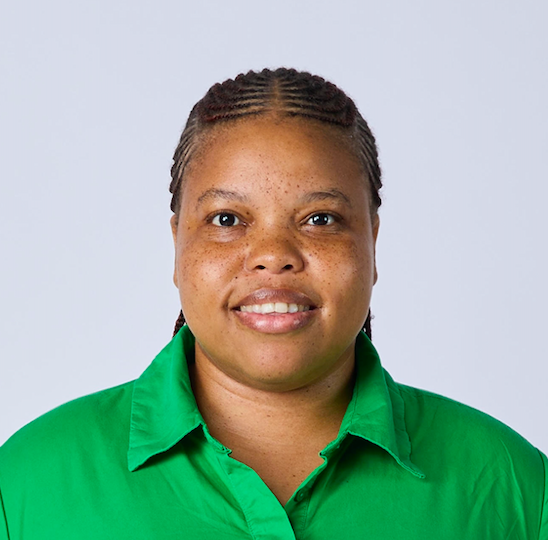
Amanda Manyame (she/her) is Director of Securing Digital Rights at Equality Now, where she leads the organisation’s global work to advance women’s and girls’ rights in digital spaces.
A digital rights lawyer, she works with governments, regulators, civil society and tech companies to ensure that policy reforms respond to emerging digital harms and that international human rights law is applied effectively in digital spaces.
Grounded in an intersectional feminist approach, Amanda centres survivor experiences and challenges the power structures that shape digital spaces. She holds a Bachelor of Laws and a Master of Laws in Information and Communications Law.
Maria Rabino-Neira
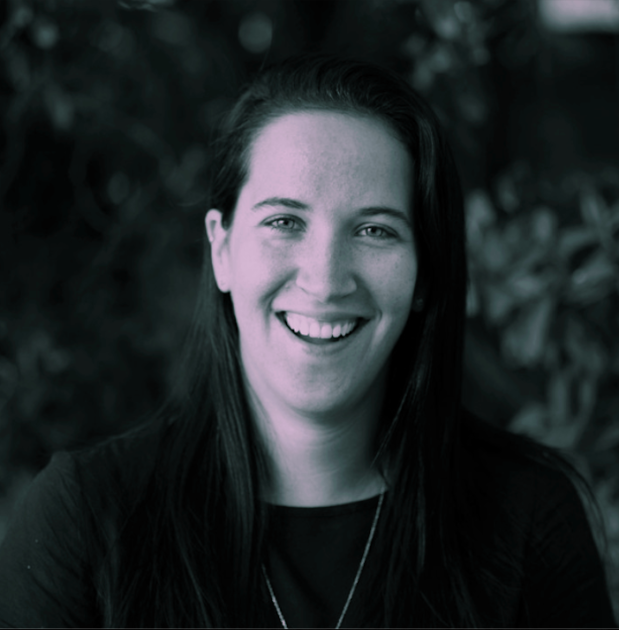
Maria Rabino-Neira (she/her) is an international lawyer and PhD candidate in the Faculty of
Law at Victoria University of Wellington, New Zealand. Her research examines how
sanctions regimes and counter-terrorism measures, including AML/CFT frameworks, can be designed and applied in ways that comply with international human rights and humanitarian law.
An experienced academic researcher and lecturer, Maria is passionate about countering
terrorism and violent extremism through education and policy analysis. She brings practical experience investigating suspicious activity and identifying emerging risks and patterns, skills that translate directly to understanding how harmful content and networks evolve online.
Alongside her academic work, she has carried out humanitarian work with the United Nations, the New Zealand Red Cross and Amnesty International.